Archive
- February 2026
- January 2026
- December 2025
- June 2025
- May 2025
- April 2025
- September 2024
- February 2024
- January 2024
- December 2023
- October 2023
- September 2023
- July 2023
- April 2023
- March 2023
- February 2023
- January 2023
- November 2022
- August 2022
- July 2022
- June 2022
- May 2022
- April 2022
- February 2022
- January 2022
- December 2021
- November 2021
- October 2021
- September 2021
- August 2021
- July 2021
- June 2021
- May 2021
- April 2021
- March 2021
- February 2021
- December 2020
- November 2020
- October 2020
- September 2020
- June 2020
- April 2020
- March 2020
- February 2020
- January 2020
- December 2019
- October 2019
- September 2019
- August 2019
- July 2019
- June 2019
- May 2019
- April 2019
- March 2019
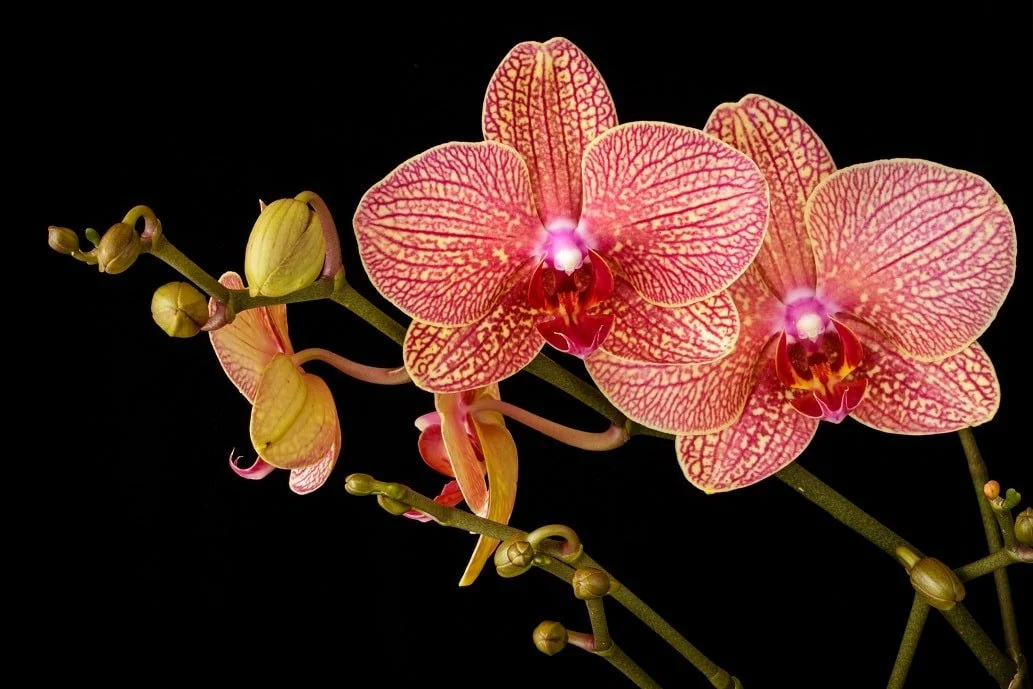
Wabi Sabi Perfection in the Imperfection
Often when we are called to do our inner work, there’s a subtle but stubborn belief that we are “improving ourselves”: that we’re going to get rid of that old, tired, dingy self and come out with a brand new version. In fact a popular phrase is: “becoming the best version of oneself.” Honestly? I have no idea what that phrase actually means but it evokes exhaustion in me whenever I hear it.
Many of us have tried various self improvement techniques and continue to suffer because the starting assumption is not correct: if I’m unhappy, uncomfortable, dismayed, freaked out or despairing, there must be something wrong with me! The definition of a “normal” life is so narrow that anything on either side of that tightrope is terrifying. We’ve somehow gotten far away from accepting that these various states are part of being human.
To open toward our humanity rather than push away what we think are flaws, is gently learning to embrace what ails us and to discover that what ails us is the gateway to restoring our sanity. This is the practice of wabi sabi–seeing the perfection in the imperfection. We’re not seeking the “best version of ourselves”–we are opening to the possibility that the best version of ourselves is already here.

Faith & Disorientation
“Faith is a small movement, slow but steady & sure, holding all our experience in a clear circle of compassionate light.” ~K. Patel
It’s fair to say that most of our lives have been upended by the past 2 years of living with a pandemic. And that’s only what’s gone on collectively. There’s the personal challenges that have happened for each of us as well.
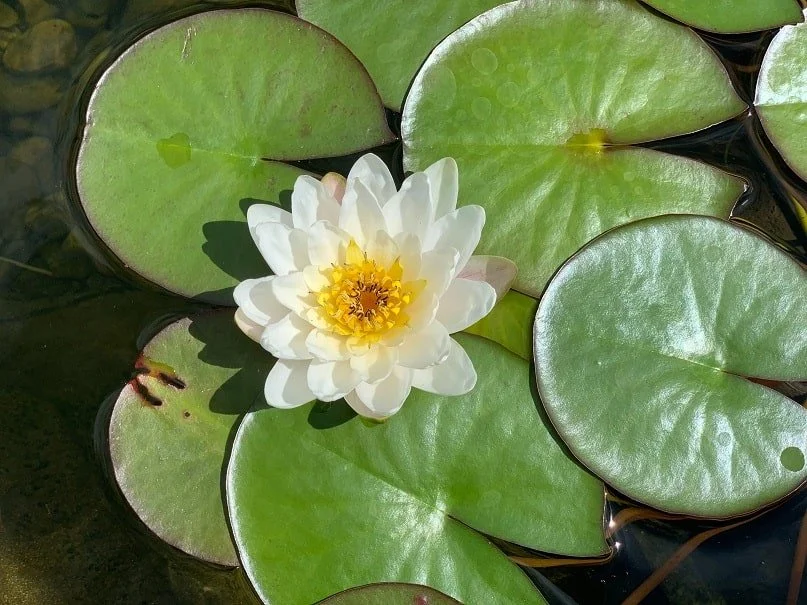
Self Compassion
Why Self Compassion?
There’s confusion about the need for self compassion. It seems it’s the place we go to as a last resort–after we’ve exhausted ourselves trying to figure out why we feel the way we do. In our habits of over analyzing everything we only deepen our confusion. It’s important to have compassion for that part of ourselves that keeps us in our heads! Self compassion is an expression of the heart and our heart is the seat of wisdom.
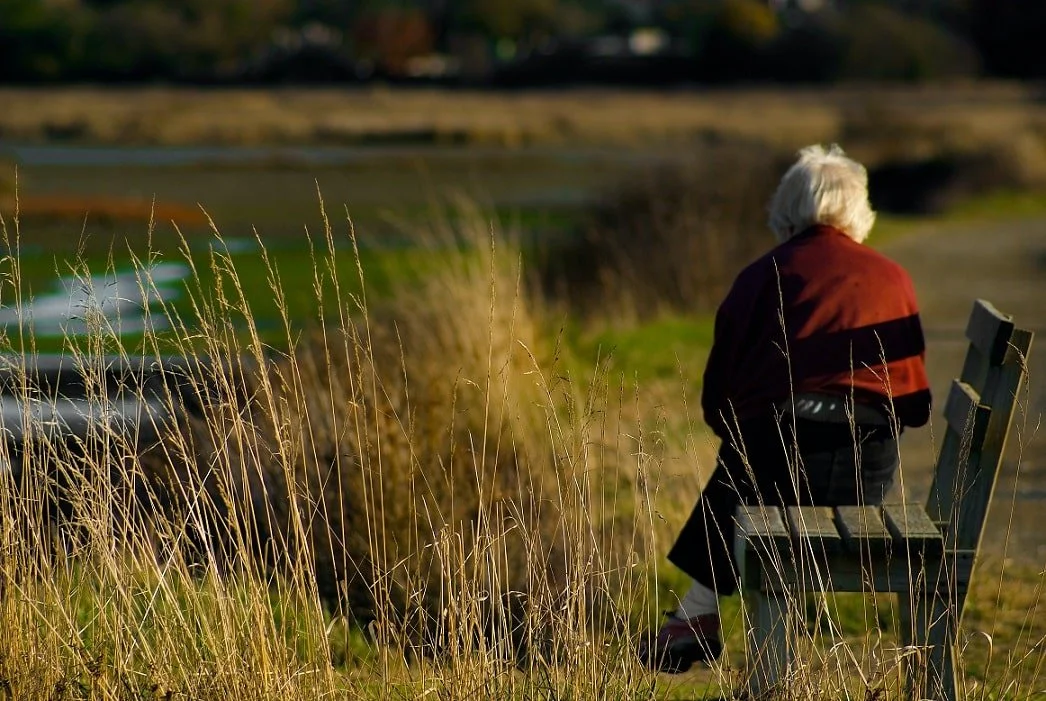
Where do you take refuge?
That question was put to me by my spiritual director a few months back and I’ll ask you now: Where do you take refuge? It’s easy to feel we have no respite from the upheaval all around us. And it’s easy to feel our emotional life runs amok. Yet our embodied emotional life is meant as a resource for growing our wisdom.
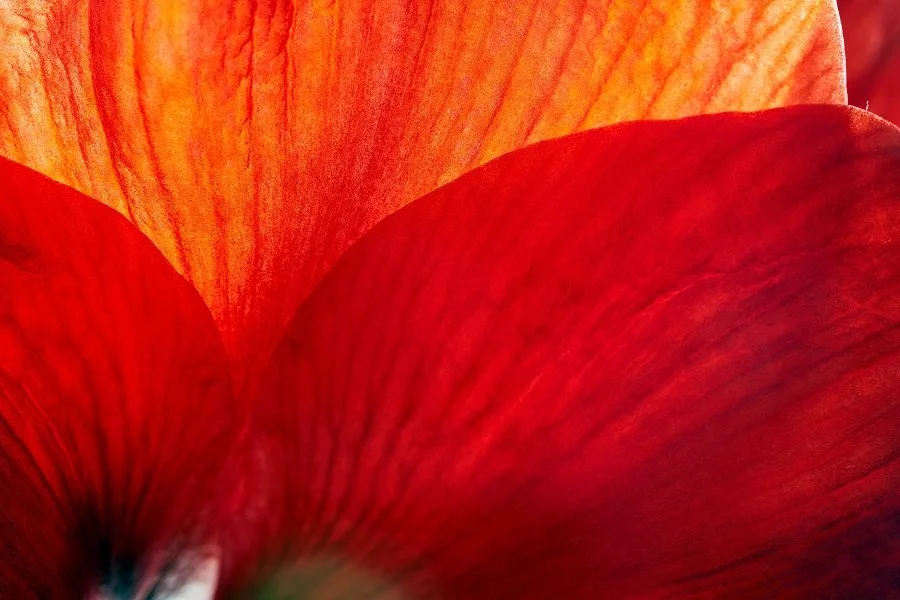
Tending the Vital Heart
In the Sufi tradition, there are many layers to the human heart, the innermost being the holiest of places where our true nature dwells, untouched by the troubles of this life. In the subtle body teachings of Tibetan Medicine, sperm meets egg at the heart chakra and new life unfolds from there. The heart is considered the seat of consciousness. We can think of the Sacred Heart in the Christian mystical tradition as well.